
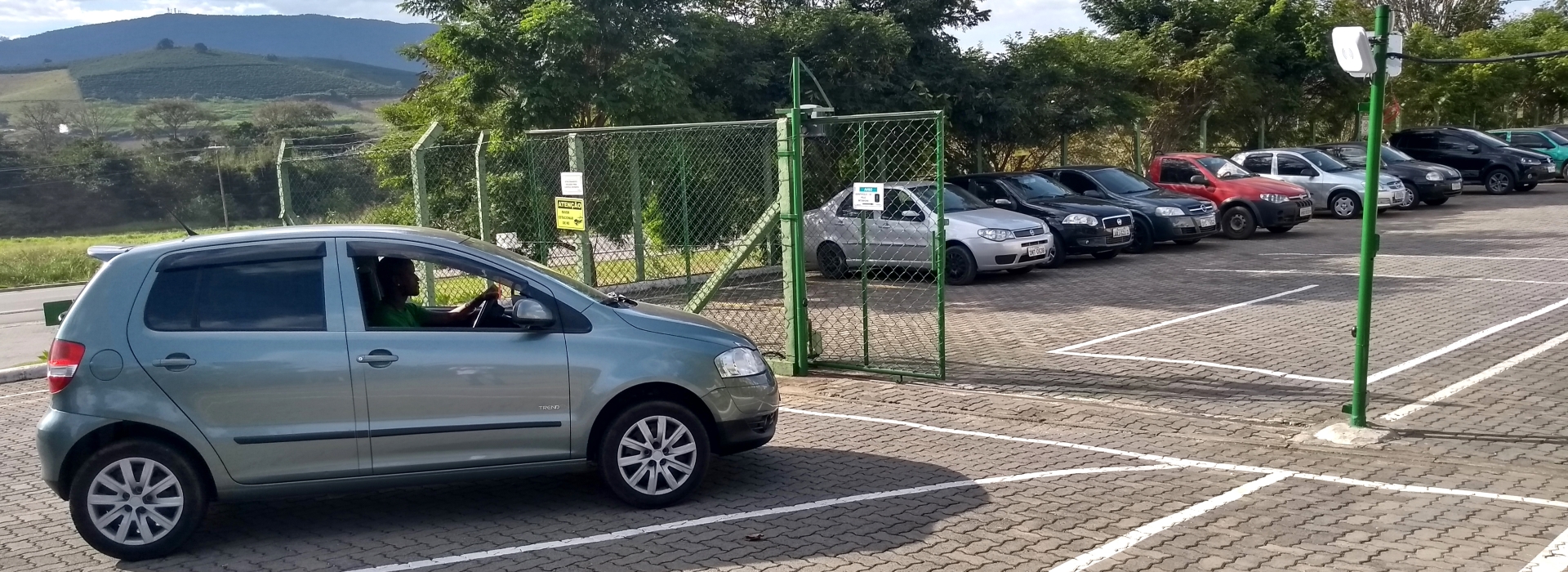
Map the lane decision
Draw the reader, antenna or integrated unit, tag position and access controller on the lane plan. Define which observation is permitted to trigger each barrier and which nearby vehicles must be ignored.
Trial the fleet, not one windshield
Use vehicles representing the fleet’s glass, mounting conditions and operating approach. Test queues and adjacent lanes with the same controller configuration that will be used in operation.
Review the return to service
Test controller reconnection and power recovery. Decide how temporary permissions, expired records and unresolved reads are handled before the lane opens automatically.
Turn the application into a project brief.
Start with the exact item or vehicle you need to identify, its movement and the surrounding materials. Define what a valid observation means to your application, then evaluate the hardware and software together.
- Representative vehicles and tag mounting
- Gate-controller interfaces
- Adjacent-lane and queue samples
- Permission and recovery procedure
Use the deployment checklist to organize your pilot.
Supplier application context: Hopeland published application. The design questions above are RAVODEX planning guidance, not independently measured results or a RAVODEX delivery claim.