
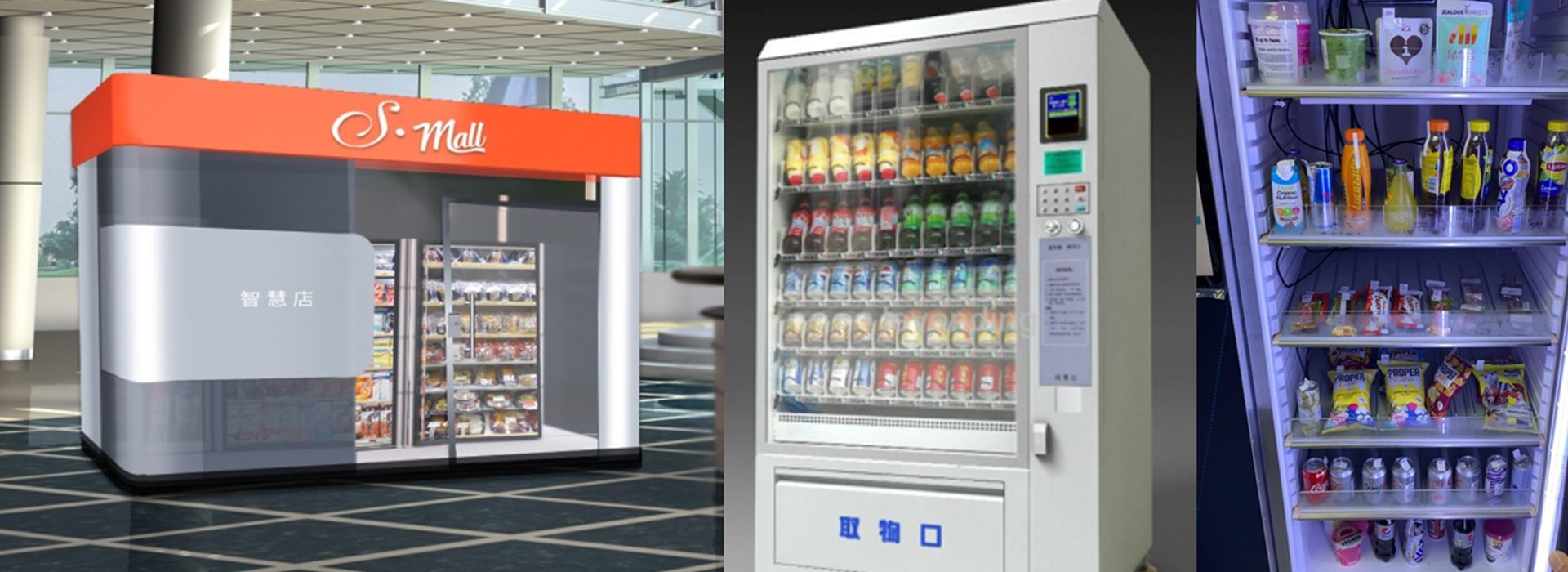
Establish the inventory baseline
Create the expected cabinet inventory before each trial. Record removed and returned identities together with the final stock state. Test fully loaded shelves and the packaging intended for sale.
Challenge the transaction boundary
Include two items moving together, an item returned to another shelf and stock replenishment. Identify which observation sequence confirms a basket and which sequence needs manual reconciliation.
Document exceptions before scaling
Define the response to damaged labels, unresolved identifiers and interrupted connectivity. The inventory record should remain understandable even when the transaction cannot be completed automatically.
Turn the application into a project brief.
Start with the exact item or vehicle you need to identify, its movement and the surrounding materials. Define what a valid observation means to your application, then evaluate the hardware and software together.
- Full-stock packaging samples
- Simultaneous removal and return
- Restocking workflow
- Basket and payment reconciliation
Use the deployment checklist to organize your pilot.
Supplier application context: Hopeland published application. The design questions above are RAVODEX planning guidance, not independently measured results or a RAVODEX delivery claim.