
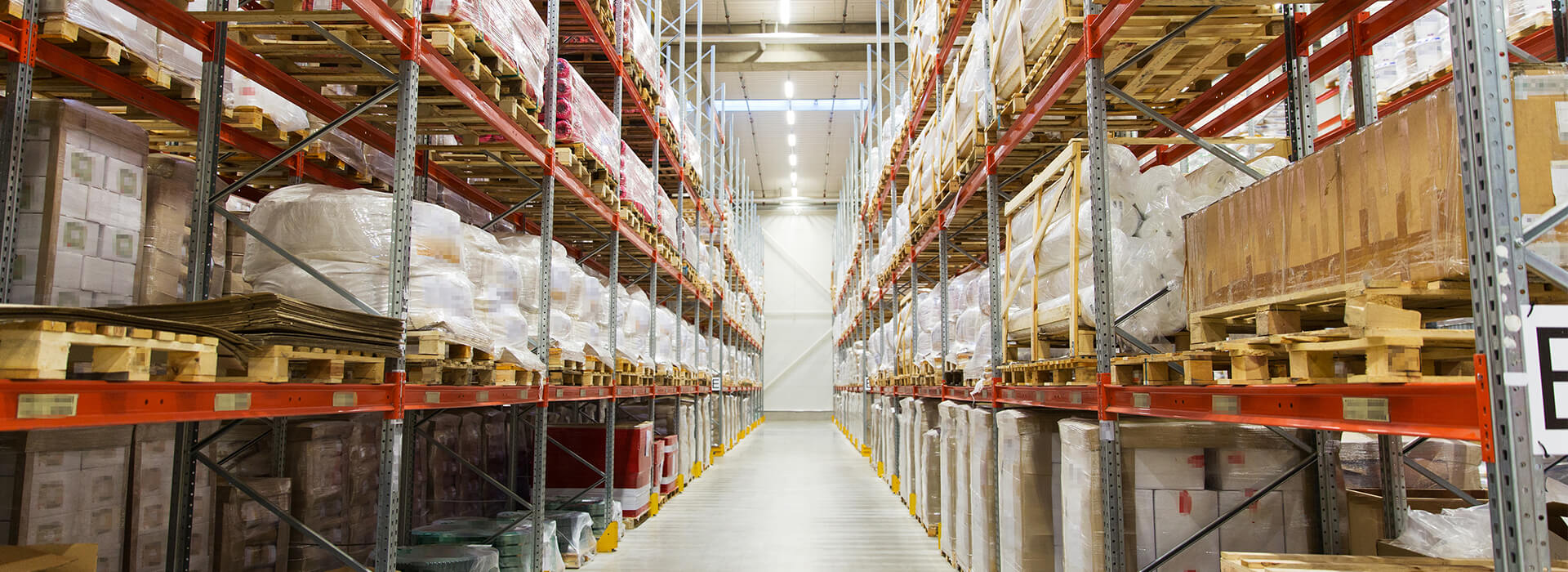
Define the expected handling unit
Identify whether the decision concerns a pallet, case or individual item. Retain the expected identities with the route and load condition used for each trial.
Review coverage and neighboring stock
Repeat the route with realistic packaging and load density. Record missed identities and outside-zone observations separately, then adjust the installation against both concerns.
Close the business event
Define who resolves an incomplete load and how the warehouse system recognizes retries. An unresolved observation should remain visible until the checkpoint can be confirmed or escalated.
Turn the application into a project brief.
Start with the exact item or vehicle you need to identify, its movement and the surrounding materials. Define what a valid observation means to your application, then evaluate the hardware and software together.
- Expected pallet, case or item identities
- Load-density and packaging trials
- Outside-zone observations
- Receiving and dispatch reconciliation
Use the deployment checklist to organize your pilot.
Supplier application context: Hopeland published application. The design questions above are RAVODEX planning guidance, not independently measured results or a RAVODEX delivery claim.