Published context.
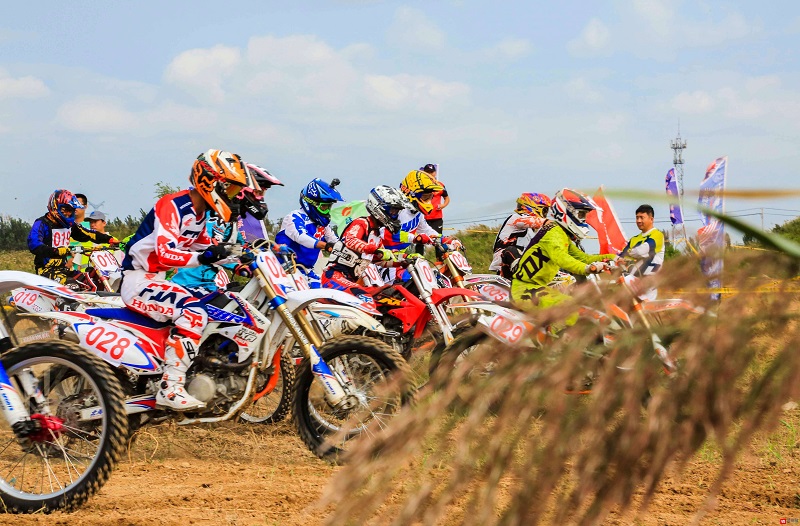
- The source describes UHF tag observations at race starting, finishing and other course points.
- Participants may wear tags; motorcycles or bicycles may have tags mounted at the front.
- Timing software maps observed tag IDs to race numbers and assigns timestamps.
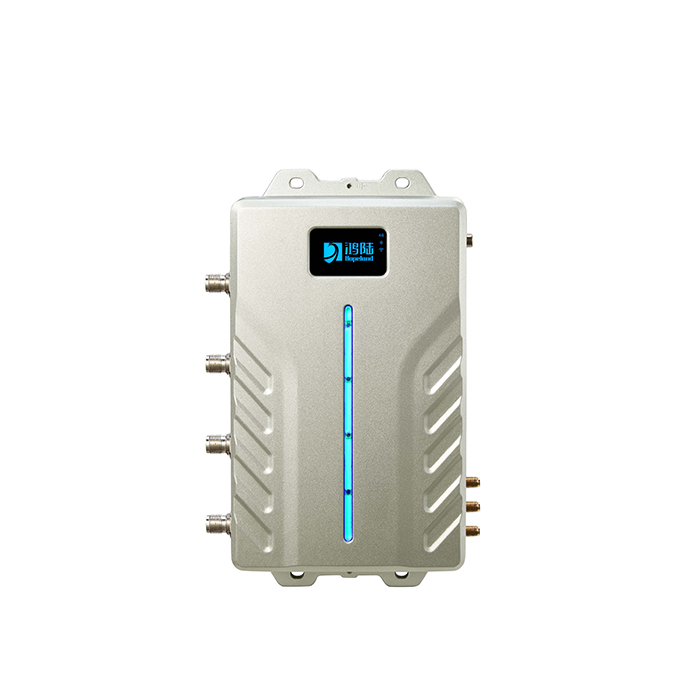
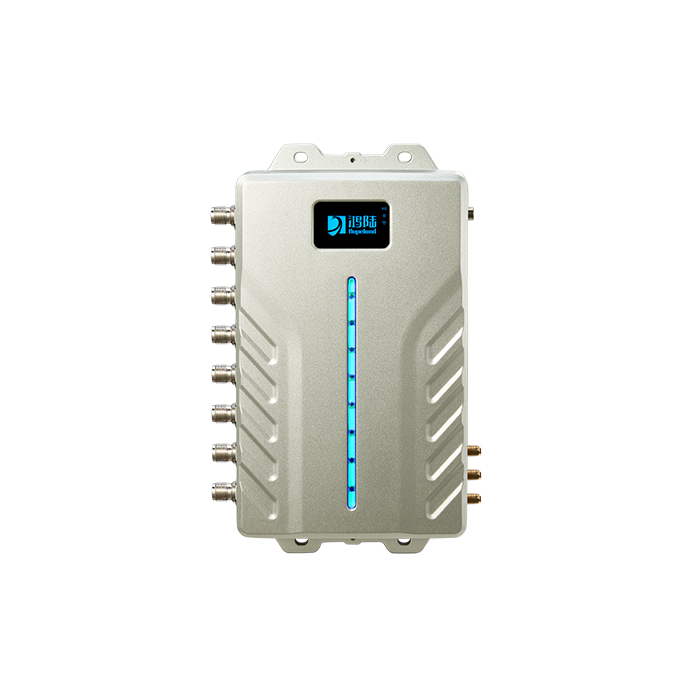
- The article recommends testing four- or eight-port readers with multiple antennas in the actual project environment.
- The article's related-device list names HH340, HH380, A0920 and paper labels for helmets or motorcycles.
Source: Hopeland’s published application reference · Supplier publication: 2023-10-09. The statements above summarize that article; customer outcomes have not been independently verified.
What this reference does not establish.
Named devices are suggested options, not a verified race installation or measured accuracy claim.
Turn the reference into requirements.
These are planning inferences from the described workflow, not observations from a RAVODEX installation.
Define the timestamp and checkpoint event
State whether the recorded time originates at the reader, host or another component, and how observations are associated with a checkpoint. Define repeated-read handling and allowed timing uncertainty in the acceptance criteria. These are design questions derived from the source, not claims about its timing implementation.
- Which clock and event define the official checkpoint timestamp?
- How will repeated observations or a missing checkpoint be handled?
Test riders and processing together
Use the intended tag position and actual passage conditions when evaluating the complete system. Test grouped passage as well as individual riders, then inspect both captured observations and the timing application’s records. Suggested reader models and advertised range do not demonstrate suitability for a race.
- Which speeds, rider groups and tag orientations represent the test?
- What backup evidence and review process resolve a disputed or missed event?
Set the pilot acceptance boundary.
- Agree timing uncertainty and missed-event handling; no verified timing precision or race certification is provided.
- Test actual speed, grouped passage, tag orientation, weather and clock synchronization.
Record the actual equipment, configuration, samples and results separately from these proposed checks.
Use the blank deployment checklistReference and procurement analysis reviewed 2026-10-07. These references remain supplier-published material; RAVODEX does not claim delivery of the described projects.