How does this solution work?
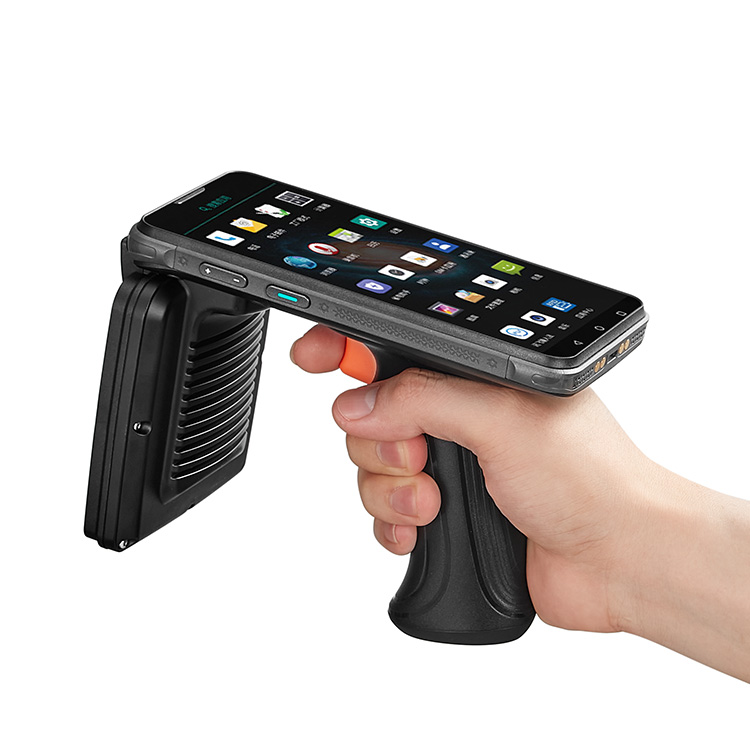
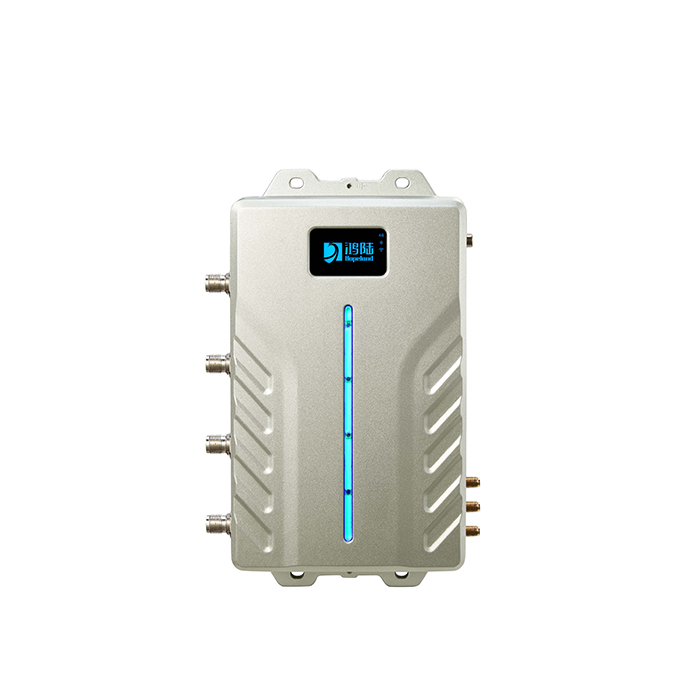
Asset RFID begins with a reliable relationship between a physical object and its asset record. Handheld readers support inspections across storage areas, while fixed or cabinet reading points can support controlled issue and return. The best equipment choice depends on object materials, tag durability, movement patterns and the decisions your asset software needs to make.
Register and label each asset
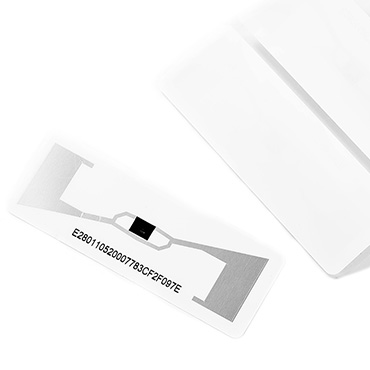
Choose the identification level: a complete tool, reusable container, machine component or equipment set. Record the tag identifier against an asset record, verify it after attachment and define a replacement procedure. Metal tools require tags designed for that mounting condition; an ordinary paper label should not be assumed to perform the same way.
Choose inspection or controlled transfer
For periodic inspections, assess a handheld reader against the number of assets, storage layout and operator access. For a tool room or cabinet, evaluate fixed readers and antennas around the actual transfer area. Hopeland's tool management application describes inventory and lending workflows, but your installation must establish how a read becomes a confirmed transaction.
Maintain accountable records
Keep condition, custodian and maintenance information in the asset application where it can be updated and audited. Connect issue and return actions to authorized users when required. Investigate missing or unexpected identifiers through an exception queue, rather than automatically declaring an asset lost after one unsuccessful read. Include manual recovery for damaged tags.
Plan your project brief.
- List representative assets, materials, dimensions and available tag attachment space.
- Specify cleaning, outdoor exposure, temperature and mechanical wear conditions.
- Choose periodic inspection, controlled transfer or both as the initial workflow.
- Define custody, replacement-tag and unresolved-asset procedures with the operations team.
- Provide asset software interfaces and the access permissions needed by operators.
Define the missing-asset decision.
A failed read is an observation to investigate. Specify a rescan and manual check before treating an asset as missing.
Fields to retain
Asset ID · Expected location · Observation · Rescan result · Manual check · Tag condition · Record owner · Resolution
- Include on-metal mounting samples where applicable.
- Assign approval for issue, return and replacement-tag actions.
- Separate a missed observation from an unresolved missing asset.
This is a planning template. Empty fields are not test results or evidence of a completed RAVODEX deployment.
Common questions
Does a passive tag provide an asset's exact live location?+
A typical inventory read establishes that a tag was observed by a particular reading point. Exact continuous positioning requires a specifically designed location system. Describe whether you need a room, cabinet, checkpoint or precise coordinate before selecting equipment.
Can we tag small metal tools?+
Potentially, using an appropriate on-metal tag and attachment method. Test the actual tool, available mounting area and storage arrangement. Close stacking and restricted access can change the outcome, so tag size alone does not establish suitability.