How does this solution work?
Industrial RFID associates a workpiece, carrier or material batch with a production record at selected stations. The useful result is a confirmed identification event that the PLC or manufacturing application can act on. Choose HF or UHF equipment according to the reading task and tag compatibility, then evaluate the complete installation against cycle time and environmental requirements.
Define the production decision
Specify what identification changes at each station: selecting a recipe, confirming a carrier, recording a process step or checking a material movement. Decide whether the tag is attached to the product or a reusable fixture. Record what the controller should do when the tag is missing, duplicated or inconsistent with the expected production order.
Match equipment to the station
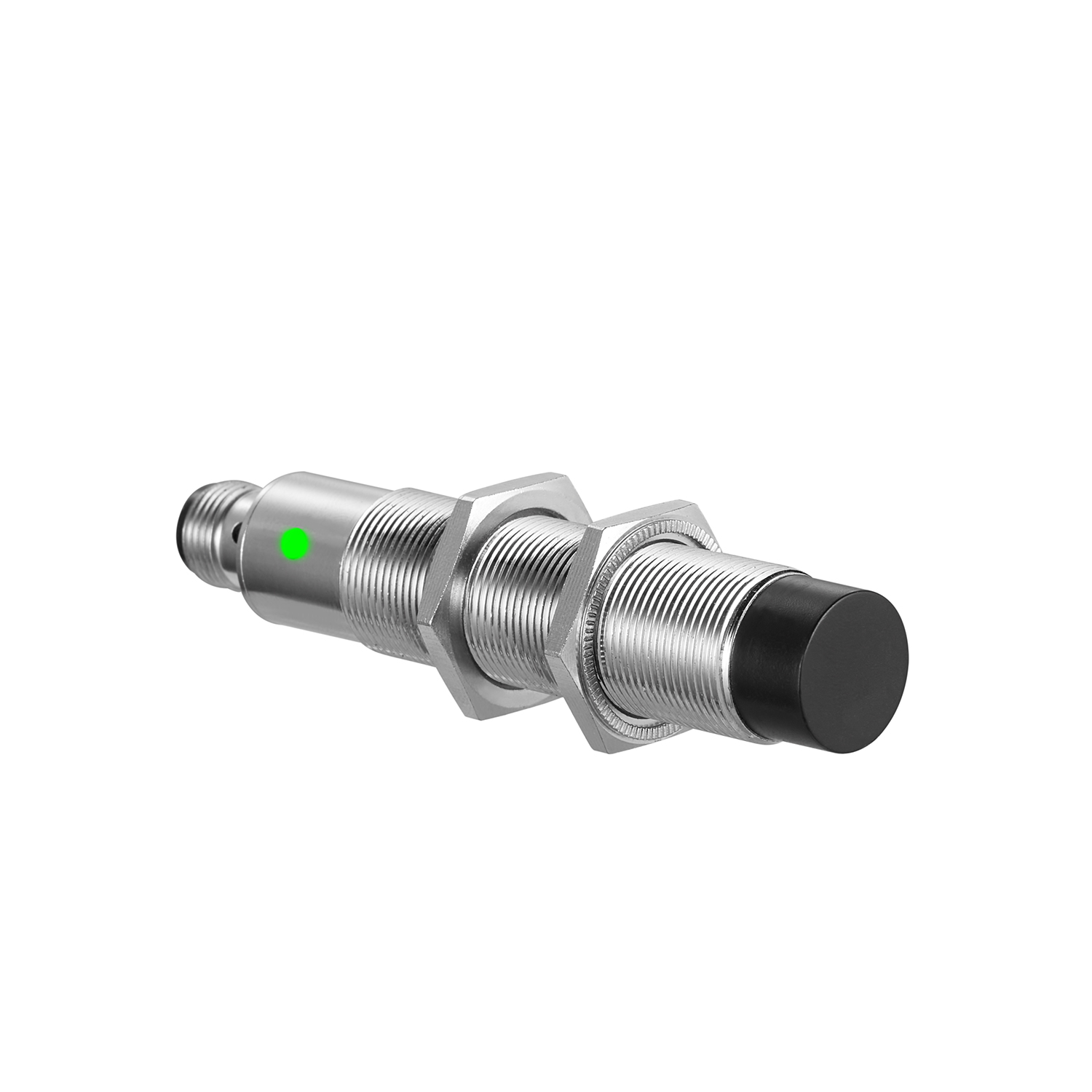
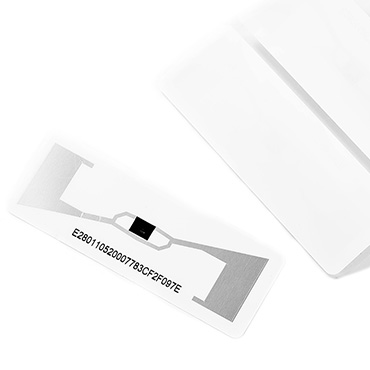
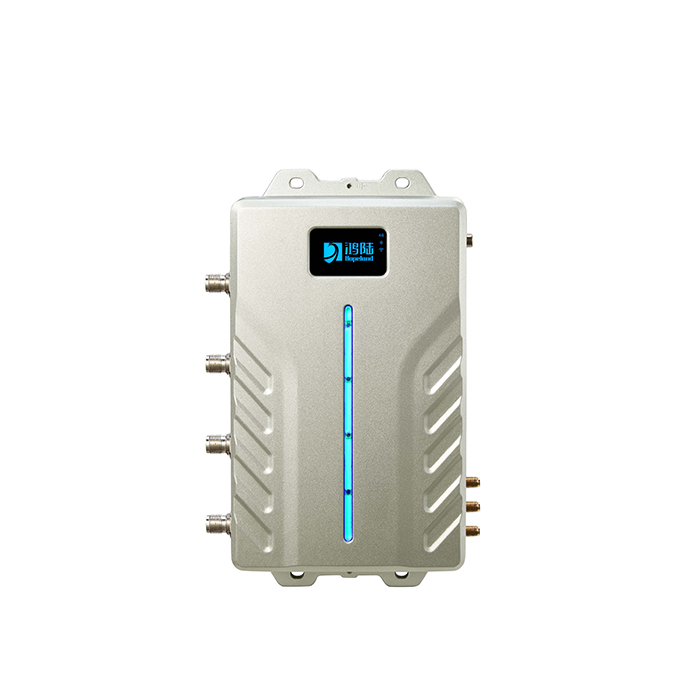
Hopeland's industrial category includes HF and UHF read heads, a communication module and cables. These are separate product choices; support listed for one model should not be assumed for another. Check the required controller protocol, power supply, connector, enclosure rating and mounting space. Test the tag against metal fixtures and the actual reading distance.
Validate timing and recovery
Test identification during the complete machine sequence, including starts, stops and the fastest intended cycle. Decide when to trigger a read and when the controller accepts a result. Keep application acknowledgments and failure handling explicit, and document restart behavior after a power or network interruption. Revalidate the setup when fixtures, tags or station geometry change.
Plan your project brief.
- Map each reading station to a specific PLC or manufacturing-system decision.
- Provide carrier materials, tag positions, distance and minimum available dwell time.
- Specify communication protocol, controller model, power and connector requirements.
- Include washdown, temperature, vibration and electrical installation conditions.
- Agree failure states and acceptance tests with the machine integrator.
Map identification to the machine sequence.
Link the identification point to its trigger, reading time and controller acknowledgment. Keep the recovery action explicit.
Fields to retain
Station · Trigger · Available dwell time · Expected ID · Received ID · Controller acknowledgment · Timeout action · Restart result
- Include a missed ID, a repeated ID and an unexpected ID.
- Review timing when carriers, fixtures or cycle settings change.
- RFID identification is not a substitute for a machine safety system.
This is a planning template. Empty fields are not test results or evidence of a completed RAVODEX deployment.
Common questions
Can an HF tag be used with a UHF reader?+
HF and UHF equipment use different radio interfaces. Match the tag's frequency and protocol to the reader or read head. Select the technology for the task, and verify compatibility using the exact model documentation.
Does an industrial reader replace machine safety controls?+
Product identification and machine safety are different design responsibilities. Specify any safety function separately with the machine builder and verify the required equipment and certification. An RFID identification event should not be assumed to be a safety-rated signal.