How does this solution work?
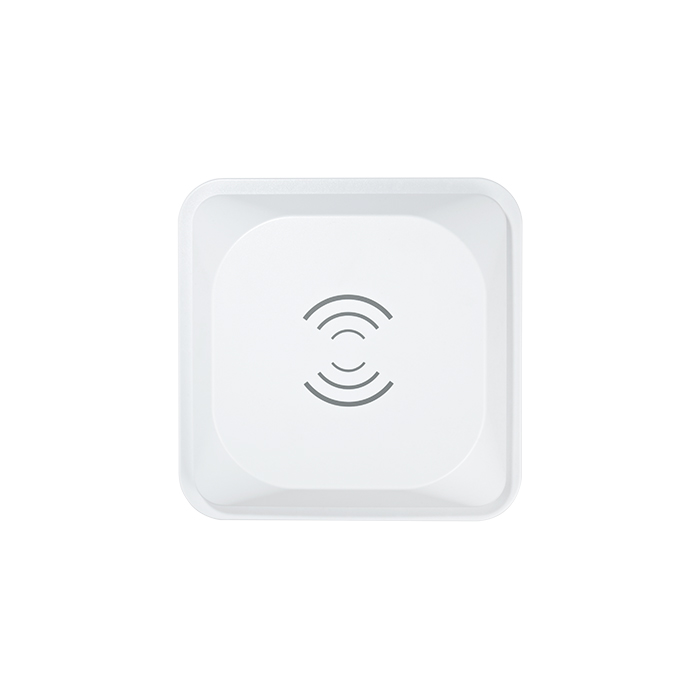
Vehicle RFID links an enrolled tag with a vehicle record and reads it at a defined lane or checkpoint. A reader observation can inform parking access, fleet movement or a weighing workflow, but the access controller must decide whether entry is allowed. Select the tag, reader and antenna together around lane geometry, windshield characteristics and the required vehicle speed.
Enroll the vehicle and test the tag
Determine which vehicles are authorized and how permissions expire or change. Test a windshield tag on representative vehicles, including different glass types and mounting positions. Hopeland lists vehicle tags and integrated readers for parking applications. Confirm the exact tag and reader variants for the deployment country before ordering a wider batch.
Define the lane's reading area
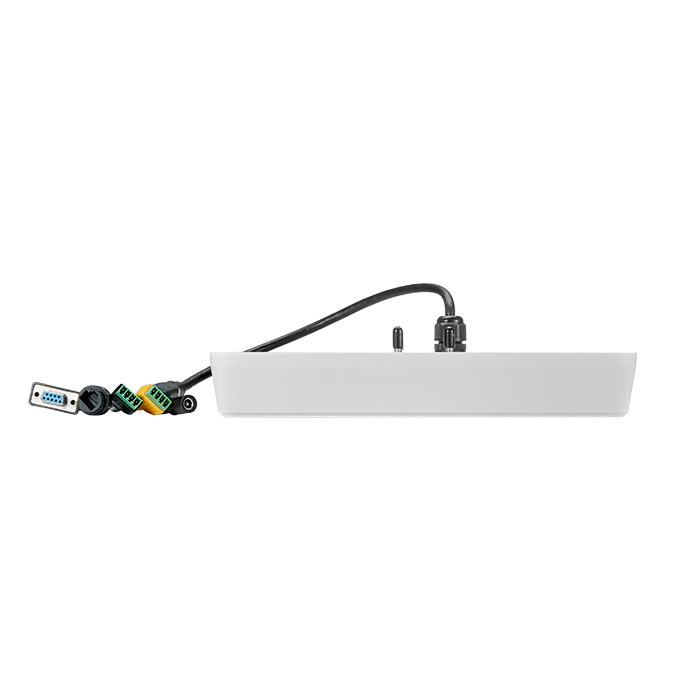
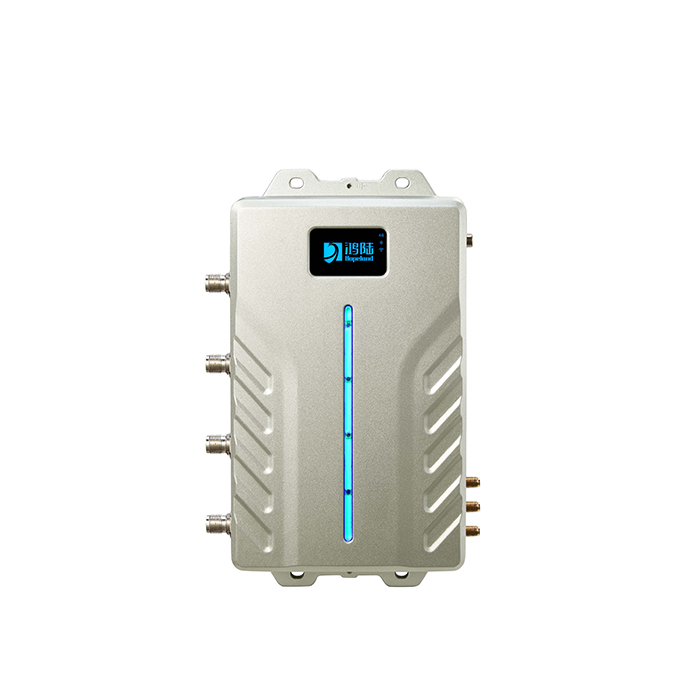
An integrated reader combines the reader and antenna in one device; a fixed reader with separate antennas offers other installation options. Choose according to mounting space, approach direction and the area you need to cover. Test adjacent lanes and queued vehicles, then tune the installation so a distant enrolled tag cannot trigger the wrong lane.
Integrate the access decision
Agree how the identification record reaches the parking or fleet application and how repeated reads are handled. Keep authorization, barrier control and vehicle-presence safety logic explicit. Include a process for visitors, unreadable tags and offline operation. For weighing, bind the vehicle observation to the relevant scale transaction instead of treating two independent data feeds as one event.
Plan your project brief.
- Provide lane width, mounting height, approach angle and expected vehicle speed.
- Include windshield types, tag placement restrictions and adjacent-lane photographs.
- Confirm the reader's regional settings and applicable installation approvals.
- Identify the controller interface and who owns vehicle authorization records.
- Test queuing, wrong-lane reads, tag replacement and manual entry procedures.
Test lane attribution.
A successful tag read must belong to the correct access transaction. Evaluate vehicle identification with the lane and controller decision together.
Fields to retain
Vehicle type · Windshield type · Tag position · Speed · Intended lane · Detected ID · Controller decision · Exception
- Include queued vehicles and traffic in adjacent lanes.
- Use representative windshield and mounting conditions.
- Check access decisions and repeat-read handling as well as detection.
This is a planning template. Empty fields are not test results or evidence of a completed RAVODEX deployment.
Common questions
Will the same installation work for every windshield?+
Do not assume identical performance across a fleet. Glass construction, tag placement and vehicle approach can differ. Include the relevant vehicle types in the pilot and establish an approved installation position for each tested group.
Is a tag identifier sufficient for secure access?+
An identifier alone is not a complete security design. Define the required authentication, enrollment and revocation controls with the access-system integrator. Confirm supported tag and reader security features against the exact models, and retain appropriate barrier safety measures.