How does this solution work?
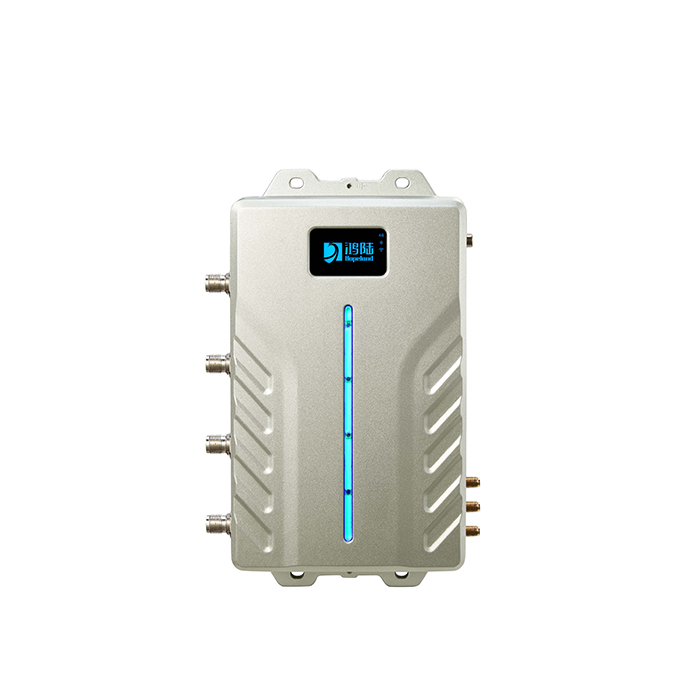
A warehouse RFID system connects tagged goods with defined identification points and inventory records. Start with one measurable workflow, such as confirming a pallet at dispatch, rather than assuming that every item can be read everywhere. Fixed readers, antennas, suitable tags and handheld equipment serve different parts of that workflow; the software decides what each observation means.
Identify the goods and handling unit
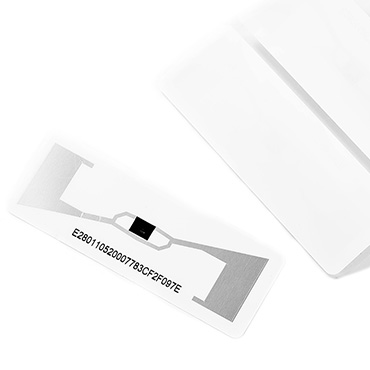
Decide whether the system identifies individual products, cartons, pallets or returnable containers. Assign identifiers to the appropriate business records and document how tags are issued, replaced and retired. Test attachment positions on actual packaging, including metal contents and liquid products, before choosing the label or tag construction.
Build a controlled checkpoint
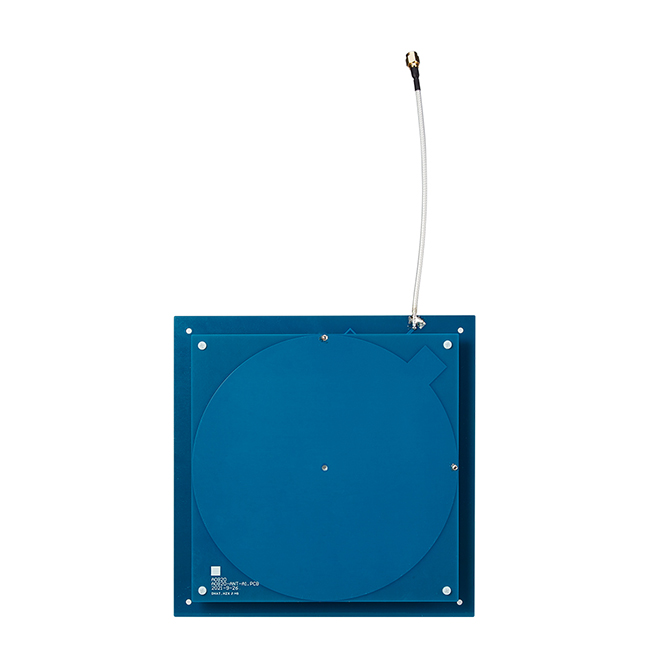
Use a fixed reader and external antennas where goods follow a repeatable path. Hopeland lists multiport fixed readers and several antenna types for this purpose. Map the intended reading area and nearby stock, then test moving loads at the required speed. A read outside the intended area should not automatically become a shipment confirmation.
Connect events and resolve exceptions
Agree with your WMS integrator how repeated observations become one receiving or dispatch event. Include reader identity, time and checkpoint context, with a recovery process when the network is unavailable. A handheld reader can support cycle counting and exception searches where an automated checkpoint does not cover the task.
Plan your project brief.
- Define the item, carton or pallet being identified and its identifier owner.
- Provide load photographs, packaging materials, route dimensions and movement speed.
- Check destination country, reader configuration and required local approvals.
- Set acceptance criteria for missed goods and unintended neighboring reads.
- Specify the WMS interface and the operator procedure for unresolved exceptions.
Build a dispatch acceptance record.
A tag observation becomes a shipment event only after it is matched to the expected load. Plan these records before evaluating a portal.
Fields to retain
Trial ID · Expected load IDs · Observed IDs · Missing IDs · Outside-zone IDs · Dwell time · Load density · Exception decision
- Repeat the route with empty, normal and dense loads.
- Use the same packaging and movement path for each candidate configuration.
- Agree who resolves an incomplete load before dispatch is confirmed.
This is a planning template. Empty fields are not test results or evidence of a completed RAVODEX deployment.
Common questions
Will RFID read an entire pallet in one pass?+
That depends on tag placement, contents, packing density, antenna coverage and passage speed. Evaluate representative full loads and record which identifiers are missed. A successful demonstration with an empty carton does not establish performance for a loaded pallet.
Can warehouse RFID replace the WMS?+
RFID supplies identification observations. The WMS remains responsible for stock ownership, orders and inventory rules unless your project explicitly replaces those functions. Define the interface and reconciliation process before purchasing readers.