Published context.
- The source proposes RFID collection of observations for daily garbage-container service statistics.
- GPS and DTU transmission are combined to review sanitation-vehicle working status, driving routes and task completion.
- The proposed management system includes data collection and automatic analysis for municipal operations.
Source: Hopeland’s published application reference · Supplier publication: 2022-05-07. The statements above summarize that article; customer outcomes have not been independently verified.
What this reference does not establish.
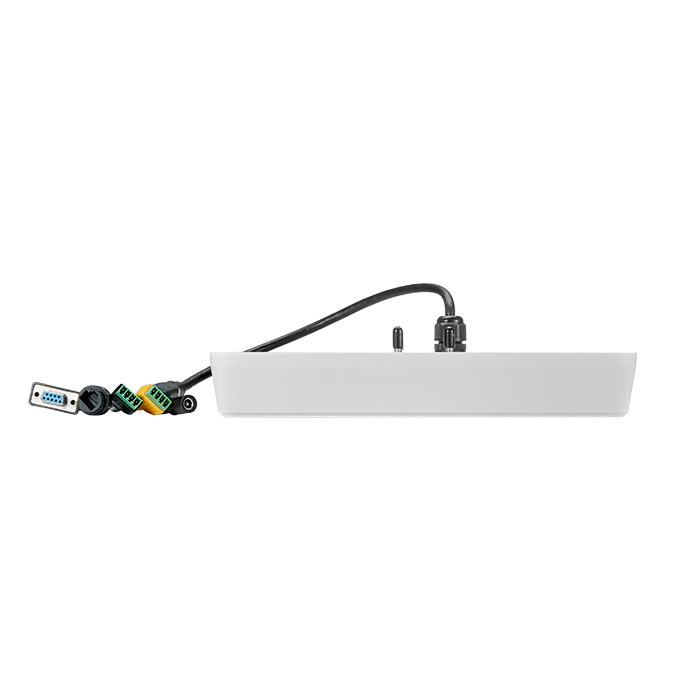
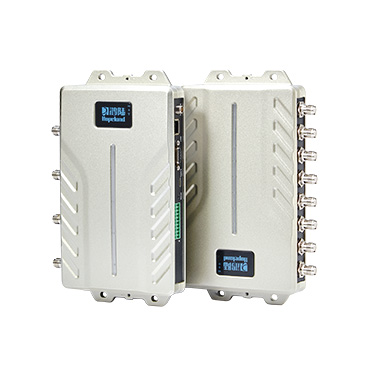
The source describes a system concept without an installed-model bill of materials or verified outcomes. HZ100 and HF340 are related-product cards.
Turn the reference into requirements.
These are planning inferences from the described workflow, not observations from a RAVODEX installation.
Join identity and location explicitly
Specify the record that joins a container identifier, timestamp and vehicle location. Ask which component creates that record and how it marks delayed or unavailable position data. The source’s GPS and RFID descriptions do not define that data contract for your fleet system.
- Which data format carries the container ID, time and vehicle location?
- How are offline observations buffered and reconciled after reconnecting?
Define evidence of a completed collection
A reader observing a nearby tagged container is not by itself a definition of completed service. Specify the trigger or operating sequence that confirms the event, then test nearby containers and repeated observations. This is a proposed validation boundary for the source concept, not a reported deployed feature.
- What event distinguishes approach, pickup and completed service?
- How are a repeated attempt or interrupted collection recorded?
Set the pilot acceptance boundary.
- Test tag mounting, contamination, shock and nearby containers during the actual vehicle operating sequence.
- Confirm event triggers, GPS/DTU data formats and recovery when radio or mobile connectivity fails.
Record the actual equipment, configuration, samples and results separately from these proposed checks.
Use the blank deployment checklistReference and procurement analysis reviewed 2026-10-07. These references remain supplier-published material; RAVODEX does not claim delivery of the described projects.