Published context.
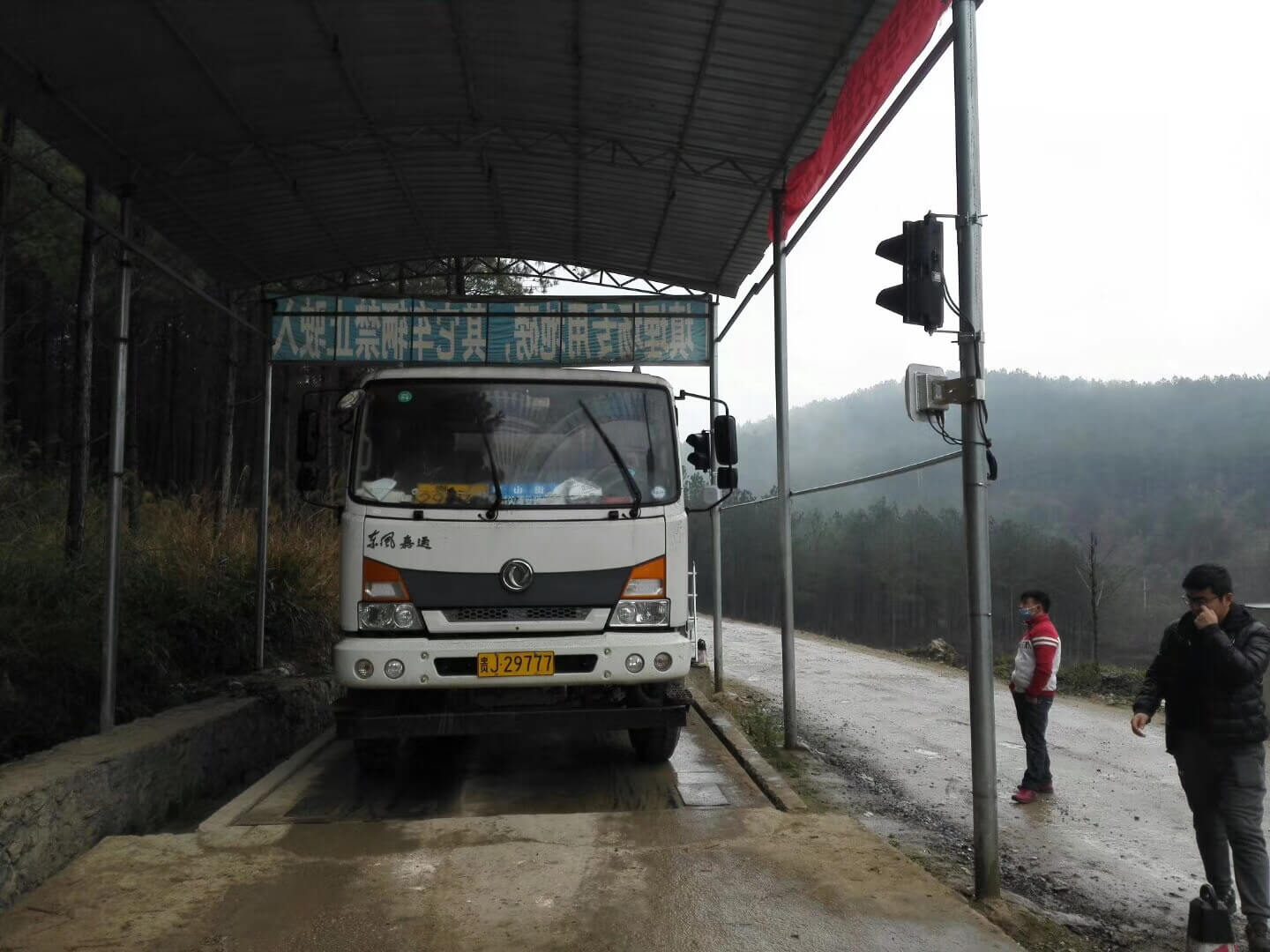
- The published Pakistan workflow combines a vehicle-tag reader, weighbridge, host, camera, barrier and signal light.
- The controller closes the front barrier and sets the light red while weighing and reading operate.
- The reader sends the tag ID to the host; the camera records whether the vehicle occupies the appointed position.
- The described release follows host receipt and recording of both tag ID and weight information.
Source: Hopeland’s published application reference · Supplier publication: 2022-06-22. The statements above summarize that article; customer outcomes have not been independently verified.
What this reference does not establish.
Installed reader and tag models are not stated. HF100, HZ100 and CL7203E-13522 appear in Related Products, not a project bill of materials.
Turn the reference into requirements.
These are planning inferences from the described workflow, not observations from a RAVODEX installation.
Define one weigh transaction
Write the transaction record before choosing the reader: vehicle identifier, weight, position evidence, timestamp and release state. Decide which component creates the record and how it detects a stale or repeated observation. This is procurement analysis of the described sequence, not a reported implementation detail.
- Which event starts a transaction, and which evidence permits release?
- What should happen when a tag, weight or camera observation is missing?
Confirm the controller handoff
Ask for the exact interfaces and messages connecting the reader, scale, host and controller. A tag observation alone does not demonstrate that the vehicle is correctly positioned or that a weigh record has been completed. Include normal, delayed and disconnected states in the proposed acceptance test.
- Which party supplies the host logic and scale integration?
- How are interrupted transactions recovered without recording a second weight?
Set the pilot acceptance boundary.
- Test lane attribution, positioning and barrier behavior when tag or camera evidence is missing.
- Confirm weighbridge integration, calibration responsibility, exact reader/tag configuration and fallback for a failed host connection.
Record the actual equipment, configuration, samples and results separately from these proposed checks.
Use the blank deployment checklistReference and procurement analysis reviewed 2026-10-07. These references remain supplier-published material; RAVODEX does not claim delivery of the described projects.