Published context.
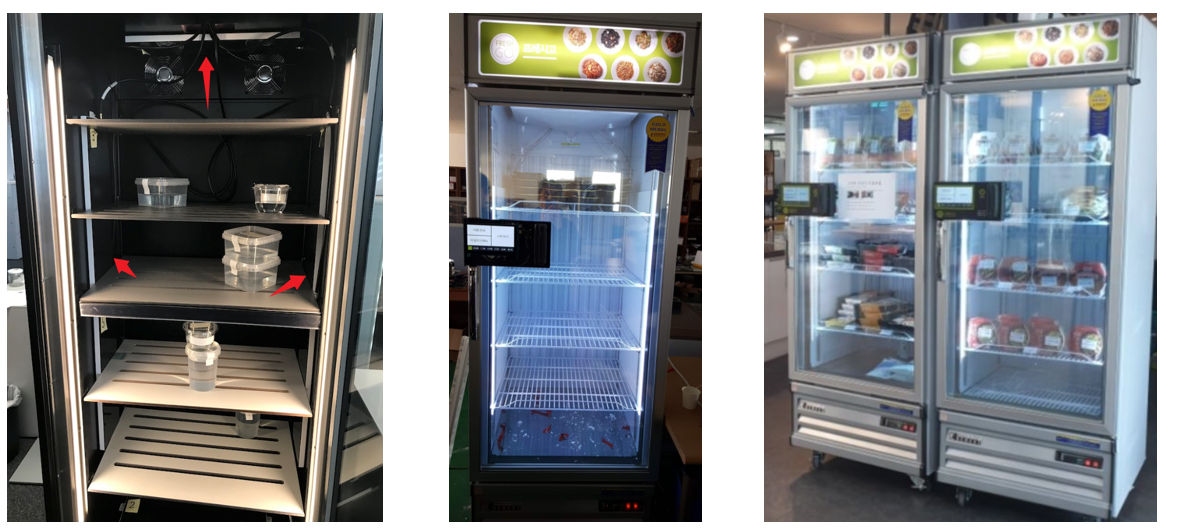
- Hopeland describes supporting partners developing RFID retail refrigerators, including an application reference in Korea.
- The text discusses fixed readers with multiple antenna ports and names a reader as Smart 380.
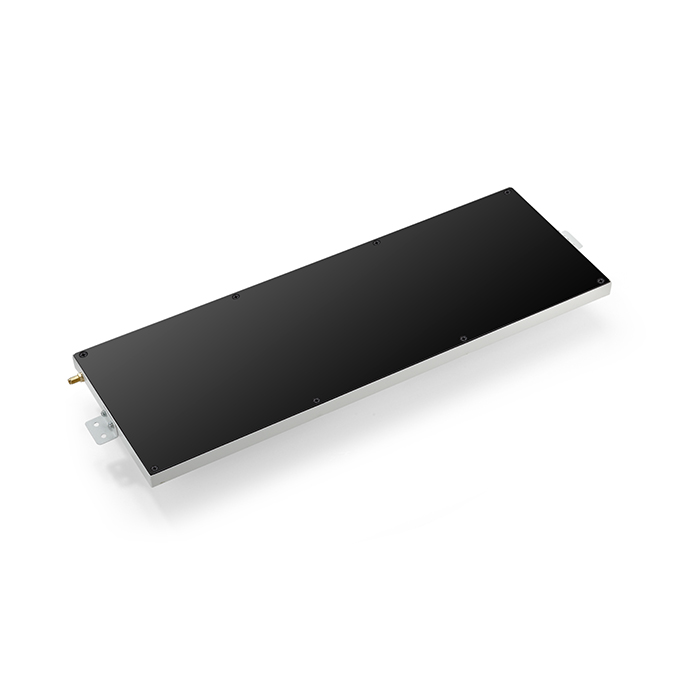
- Flat CL7205D antennas are described as mounted at the top or sides of the refrigerator.
- The source also mentions hidden installation of white CL7205G antennas in its domestic market.
- Drink containers holding liquid are described as needing application-specific tags.
Source: Hopeland’s published application reference · Supplier publication: 2022-05-07. The statements above summarize that article; customer outcomes have not been independently verified.
What this reference does not establish.
The article mixes Korean context with general partner recommendations; it supplies no Korean as-built bill of materials or verified test results.
Smart 380 and CL7205G are preserved as article terminology, not silently normalized to another model.
Turn the reference into requirements.
These are planning inferences from the described workflow, not observations from a RAVODEX installation.
Compare layouts in the same stocked cabinet
Use the same tagged goods and stock arrangement when comparing antenna positions. Record bottles at the front and back of shelves, different orientations and nearby goods outside the cabinet. Port count is an input to that test, not evidence that every item state will be detected.
- Which filled containers and shelf layouts represent the pilot?
- What observations from outside the cabinet must be rejected?
Separate inventory change from transaction completion
Define how the software turns observations into an item-added or item-removed event, then specify how that event relates to door state and the retail transaction. This is a proposed procurement requirement; the source does not provide payment integration or reconciliation test results.
- When is an item change considered final?
- How are ambiguous changes, returns and a failed connection reconciled?
Set the pilot acceptance boundary.
- Test full shelves, bottle orientations, liquids and goods outside the cabinet.
- Confirm reader variant, antenna naming, door/transaction interfaces and reconciliation of ambiguous item changes.
Record the actual equipment, configuration, samples and results separately from these proposed checks.
Use the blank deployment checklistReference and procurement analysis reviewed 2026-10-07. These references remain supplier-published material; RAVODEX does not claim delivery of the described projects.